A következő címkéjű bejegyzések mutatása: grammar. Összes bejegyzés megjelenítése

2016. június 5., vasárnap

Moda lAuxiliaries - Modális segédigék


CAN, COULD, BE ABLE TO


1. a   Képesség:   tud (csinálni valamit) tanult képesség can/could múlt  tud
I can swim. Tudok úszni.
I could climb any tree when I was 5.
Mary can use the computer. Mary tudja használni a számítógépet.
Jim can play the violin. Jim tud hegedülni. 

1. b A körülmények lehetővé teszik , az adott (veszély)helyzetben is:    able to  képes (volt)
He is able to swim under the water, too. A víz alatt is képes úszni.
He is able to read qickly. 
Frank was able to drive home despite the heavy snowfall. A nagy hóesés ellenére Frank haza tudott vezetni.
Képes egyszer: The captain was hurt, but he was able to swim ashore. 

1. c. Tudná, ha kellene: Could  tudná
He could run the business if it was necessary. Tudná vinni az üzletet. 
Could you ....? Could you show me the way? Meg tudná mutatni az utat? Megmutatná? (udvarias) 
Mary could help us if she were here. Mary tudna nekünk segíteni, ha itt lenne.
Couldn't you be a bit more polite with her? Nem tudnál egy kicsit udvariasabb lenni vele?

1.d Tudtam volna, de nem tettem:  could have dont    lehetett volna, de nem
I could have lent you the money. Kölcsön tudtam volna adni. (de nem kérted) 
1.d Nem tudom, hogy megtörtént-e  lehet hogy de nem biztos
The money was stolen. Tom could have stolen it. (lehet, hogy Tom lopta el, de nem biztos) 

2.a Engedély: csinálhat valamit can/may hat-, het-, csinálhat
You can use my umbrella. Használhatod az esernyőmet. 
He can use his father's car. (van rá engedélye) 
On Sundays we could stay up late. 
You can park here. (Itt parkolhatsz. szabad.) 
You can't just come in here whenever you want. Nem jöhetsz be ide, amikor csak akarsz!
2.b To be allowed to - engedélye van rá, bizonyos cselekedetre 
I had a visa, so I was allowed to cross the border. 
He hasn't been  allowed to drive since his accident. 

3. Engedély kérés: hat-, het-, csinálhat? 
Can I stay here? Maradhatok? 
Could I stay here? Maradhatnék? (udvariasabb) Yes you can. 
May I stay here? (Még udvariasabb, formális) 
Might I stay here? (Bizonytalan a válaszban.) Yes, you may. I' rather you didn't. 

4. Felajánlás, szívességnyújtás 
Can I help you?
Can you lend me your book? Kölcsön adnád a könyved?

Could you lend me your book? (udvariasabb)
Would you lend me your book? (udvariasabb) 

2016. május 29., vasárnap

Rendhagyó múltidők segítség


Rendhagyó igék tanulásához egy kis segítség, hogy legyen benne valami rendszer. 
Nem sok logikát lehet találni az angol nyelv helyesírásában és a szavak kiejtésében.
Itt egy kis gyűjtemény, hogy valami rendszer szerint lehessen tanulni a múlt idejű alakokat.
Mert ezek olyanok, hogy meg kell őket tanulni, nincs mese.
És még egy kis kiejtési segédletet is kaptok alább. 
Hallgass bele 
Infinitive Past simple Past participle Jelentés
be was/were been van, lenni
have had had van valamije
do did done csinál, tesz, megtesz


2. Igék, melyek mindhárom formája ugyanaz
Infinitive Past simple Past participle Jelentés
beat beat beat megüt, megver
bet bet bet fogad
broadcast broadcast broadcast ad, sugároz (rádióban, televízióban)
burst burst burst (szét)tör, (szét)repeszt
cast cast cast dob, vet, hajít
cost cost cost kerül(vmibe)
cut cut cut vágni
hit hit hit megüt
hurt hurt hurt megsért
let let let hagy
put put put rak, helyez
read read read olvas
set set set helyez
shut shut shut becsuk


2016. május 20., péntek

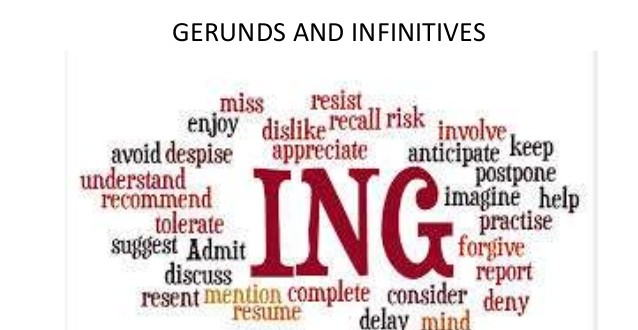
Gerund - Infinitive


A gerund - vagy inges alak nagyon szépen angolossá teszi a beszédünket, és lerövidít sok bonyolult

szerkezetet, például that/should-os - (hogy valaki csináljon valamit)  mellékmondatot.
(Például: I suggested (to him) that he should do some sports. - helyett: I suggested him doing some sports.)
 Már egész korán meg kellett tanulnunk, hogy a szeret-nem szeret jelentésű igék után az igei tárgy (amit szeret-nem szeret az ember csinálni), -inges alakban, tehát gerund formában áll.
Vannak olyan igék, főnevek, szerkezetek, amik után lehet gerundot is és főnévi igenevet is használni.
Van amikor csak gerundot, és van amikor más a jelentése a kettőnek. Meg kell tanulni. Lehetőleg kis mondatokkal, eleve a szó tanulásakor már úgy kiírva a szótárba.

ADMIT (beismer)
~ (to) doing sth: He admits (to) having neglected his children.
~ (to) sth: He admits (to) his mistakes.
~ (to sb) (that): He admitted (to his parents) (that) he had failed his exam.
APPRECIATE (méltányol, értékel)
~ sth: I really appreciate your kindness.
~ doing sth: I appreciate being treated like a princess.
~ sb doing sth: We would appreciate you helping us. (hálásak lennénk) 
~ that: I appreciated that he took me home.
AVOID (elkerül)
~ sb/sth: The crash couldn't be avoided. (elkerülhetetlen volt)
~ sb/sth doing sth: They built a dam to avoid the water flooding the city.
~ doing sth: He tried to avoid meeting them.
HELP (CAN'T HELP) (nem tud megállni vmit)
can't/ couldn't ~ doing sth: I couldn't help laughing when I heard that incredible story. (nem tudtam megállni nevetés nélkül)
can't/ couldn't ~ but do sth: I couldn't help but laugh when I heard that story. (csak nevetni tudtam)
STAND (CAN'T STAND) (ki nem állhatja)
~ sth/doing/to do sth: I can't stand (watching/to watch) bad films.
~ sb doing sth: I can't stand people laughing at me.
~ it wh: She can't stand it when people criticize her.
CONSIDER (megfontol)
 (megfontol)
~ sth: I've heard that you are considering a new career.
~ doing CONSIDER sth: We consider moving.
~ wh: We have to consider where to go on holiday
DELAY (elhalaszt)
~ sth: They agreed to delay the offensive.
~ doing sth: They delayed introducing new measures.
DENY (tagad, megtagad)
~ sth: He denied the accusation. (visszautasította a vádakat)
~ sth (to sb): He denies nothing (to her).
~ (sb) (sth): He denies (her) (nothing).
~ doing sth: He denied stealing the car.
~ (that): He denied (that) he had stolen the car.
~ oneself (sth): Don't deny yourself (anything)!
DISLIKE (nem szeret)
~ sb/sth: I don't dislike him at all.
~ it wh: She dislikes it when people are aggressive.
~ doing sth: I dislike hurting my father.
~ sb's doing sth: He disliked her leaving home.
FANCY (tetszik, kedvére van)
~ sth: Do you fancy a beer? (Nem kérsz egy sört?)
~ sb: I am sure he fancies you. (tetszel neki)
~ oneself (as) sth: He fancies himself (as) a famous politician. (úgy tekint magára)
~ doing sth: Do you fancy having a drink tonight? (volna kedved)
~ (that): He fancied (that) he could fly. (azt képzelte)
IMAGINE (képzel, elképzel)
~ sth adj: Little children imagine animals free and happy.
~ doing sth: She can't imagine living in a big city.
~ sb doing sth: I can't imagine him shouting.
~ that: She imagined that she was rich.
INVOLVE (maga után von)
~ sth: The technique involves the use of tiles.
~ (sb/sb's) doing sth: The actor's contract with the company involves (him/his) using their product. (a szerződés része az, hogy)
~ sb in (doing) sth: The chairman should involve the board in (making) decisions. (be kellene vonnia az igazgatótanácsot a döntéshozatalba)
JUSTIFY (igazol)
~ sth: His result justified the faith his trainers had put in him.
~ sth to sb: He had to justify his decision (to the committee). (meg kellett indokolnia)
~ (sb/sth) doing sth: These circumstances justify (us) spending more money. (indokolják)
MIND (bán, zavar)
~: He got up late, but he didn't mind. (de nem bánta)
~ sth: I don't mind the noise at all. (nem zavar a zaj)
~ doing: Do you mind working in the garden? (bánod, ha a kertben kell dolgoznod)
~ sb/sb's doing sth: I hope you don't mind me/my opening the window. (remélem, nem zavarja)
POSTPONE (elhalaszt)
~ sth (to/until sth): They postponed the outing (until Monday).
~ doing sth: They postponed building the new underground line.
RESIST (ellenáll)
~ (sth): The police resisted the demands of the kidnapper.
~ doing sth: She resisted telling him about the surprise.
RISK (kockáztat)
~ sth: He risked his life for his turtle.
~ sth on sth: He risked everything on roulette.
~ doing sth: How could he risk losing all his money?
~ sb doing sth: He couldn't risk his partner telling everything to the police so he killed him.
SUGGEST (javasol)
~ sth (to sb): He suggested a solution (to me).
~ sb/sth (for sth): Who would you suggest for this role? (kit ajánlanál)
~ sb/sth (as sth): Who would you suggest as Desdemona ? (kit ajánlanál)
~ doing sth: I suggested seeing a film.
~ sb's doing sth: I suggested his taking up some sport.
~ (to sb) (that): I suggest (to him) (that) he takes up some sport.
~ (to sb) (that) sb (should/might) do sth: I suggested (to him) (that) he (should) take up some sport.
it is ~ed that sb/sth (should) do sth: It has been suggested that everybody (should) vote.
~ (to sb) wh: He suggested (to me) where to look for a job.
~ sth (to sb): The evidence suggested murder (to the detective). (sugallt)
~ (that): The evidence suggests that Mr. Smith has been murdered. (a bizonyíték arra utal)
TOLERATE (elvisel)
~ sth: I can't tolerate his behaviour.
~ doing sth: She won't tolerate being refused.
~ sb doing sth: I won't tolerate you being late.
MISS (hiányzik)
~ (sth): He tried to score a goal, but he missed (it). (mellé lőtt)
~ doing sth: I miss running in the morning
INSIST (ragaszkodik)
~ on (doing) sth: He insisted on (taking) the bigger cake.
~ on sb/sb's doing sth: I insist on you/your taking the bigger cake.
~ that sb (should) do sth: He insisted that he (should) concentrate on improving his speaking skill.
OBJECT (ellenez)
~ to sb/sth: The president objected to the new financial policy.
~ to (sb/sb's) doing sth: I objected to (him/his) leaving the camp. (elleneztem, hogy elhagyja)
~ that: He objected that he was dismissed without any

és még számtalan létezik, ez nem a teljes lista